
Written By: Gloria Tsang, RD
Title: Founding Dietitian
Alumni: University of British Columbia
Last Updated on:

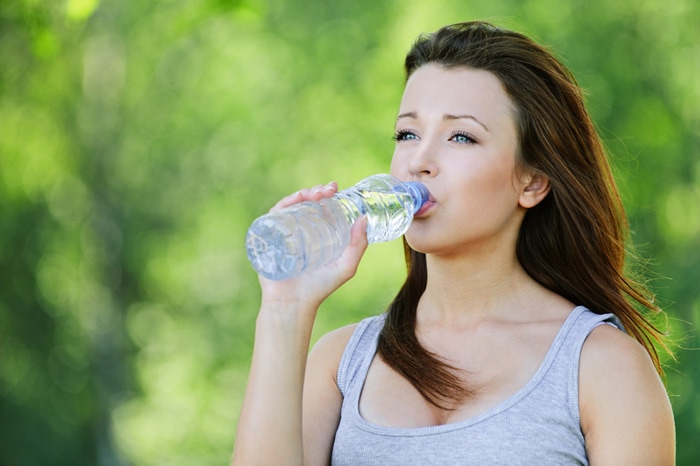
Hydration supports blood flow, temperature control, and muscle function. Even a 2% loss in body weight from fluid loss can lower performance1 and make exercise feel harder. Staying well-hydrated helps you train harder, last longer, and recover better.
Water isn’t just something you gulp after a workout. It’s part of a hydration strategy that begins before you step into the gym or onto the trail and continues afterward.
Table of Contents
No one-size-fits-all number exists. Fluid needs during exercise vary with sweat rate, workout intensity, temperature, humidity, clothing, and fitness level. The goal is to replace what you lose and avoid more than about 2% body weight loss from sweat.
Longer or intense workouts (over 60 minutes):
Avoid over-hydrating. Taking in too much fluid can dilute blood sodium and cause exercise-associated hyponatremia, a serious condition seen in long endurance events.
Start your workout well-hydrated:
Recovery hydration matters:
Thirst isn’t the best indicator. By the time you feel thirsty, you may already be mildly dehydrated.3
Better signs of good hydration:
Warning signs of dehydration:
HealthCastle has strict sourcing guidelines. We reference peer-reviewed studies, scientific journals and associations. We only use quality, credible sources to ensure content accuracy and integrity.
Alumni: University of British Columbia – Gloria Tsang is the author of 6 books and the founder of HealthCastle.com, the largest online nutrition network run by dietitians. Her work has appeared in major national publications, and she is a regularly featured nutrition expert for media outlets across the country. The Huffington Post named her one of its Top 20 Nutrition Experts on Twitter. Gloria’s articles have appeared on various media such as Reuters, NBC & ABC affiliates, The Chicago Sun-Times, Reader’s Digest Canada, iVillage and USA Today.
Like our content? Download our free shopping guide and the first chapter of the GoUndiet Book Now!

HealthCastle Nutrition Inc. · © Copyright 1997-2026 · All rights reserved