
Written By: Gloria Tsang, RD
Title: Founding Dietitian
Alumni: University of British Columbia
Last Updated on:

Table of Contents
German researchers investigated the anti-inflammatory property of Vitamin D in over 100 patients with congestive heart failure. Patients were supplemented with either 50 mcg (2000 IU) of vitamin D3 plus 500 mg of calcium, or placebo with 500 mg of calcium. After 9 months of supplementation, significantly higher levels of the anti-inflammatory agent, cytokine interleukin 10, were found among patients in the Vitamin D group. Results of this study were published in the American Journal of Clinical Nutrition in April 2006.

It is exciting to learn that more potential benefits of Vitamin D have been uncovered. The author of this study suggested that Vitamin D3 may serve as a new anti-inflammatory agent for treatment of congestive heart failure. Despite this promising finding, more studies are needed to investigate the role of Vitamin D in congestive heart failures. The current Vitamin D recommendations for people of 1 – 50 years of age is 200 IU daily; 400 IU for adults of 51 – 69 years of age. After age 70, 600 IU of vitamin D are recommended each day. It is important to note that the dosage of Vitamin D supplements used in this study was rather high – 2000 IU of Vitamin D is the upper tolerable level. Based on current recommended daily intake values, additional Vitamin D obtained through food or converted from sunlight will surpass this limit and hence may lead to toxicity.
However, recent studies have suggested the daily intake of vitamin D should be raised to 1000 IU. In December 2005, we reported a Vitamin D review study. Researchers from the University of California found that oral intake of 1000 IU vitamin D supplements can reduce the risk of colon, breast and ovarian cancers by as much as 50 percent.
Similarly, another study we reported in early April 2006 also suggested a daily supplementation of 1500 IU of Vitamin D to optimize benefits of cancer risk.
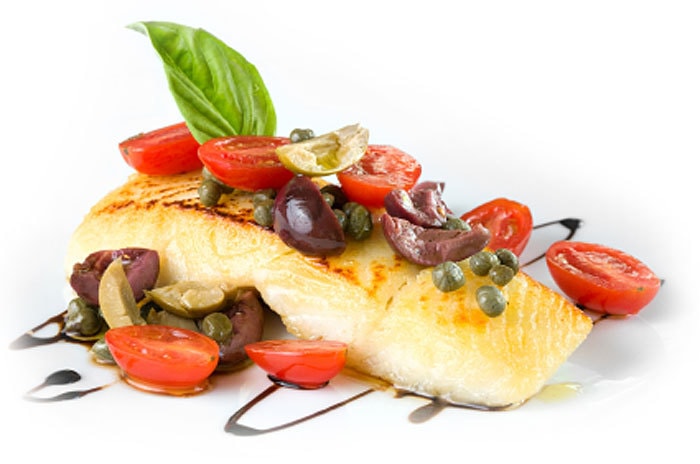
Although promising, it is still too early to start recommending everyone to pop a Vitamin D pill a day. However it is wise to start including more Vitamin D-rich foods in your diet. One glass of milk contains 100 IU of Vitamin D. Other food sources include fatty fish and egg yolks. Also look for Vitamin D fortified-products such as yogurt and breakfast cereals.
Alumni: University of British Columbia – Gloria Tsang is the author of 6 books and the founder of HealthCastle.com, the largest online nutrition network run by dietitians. Her work has appeared in major national publications, and she is a regularly featured nutrition expert for media outlets across the country. The Huffington Post named her one of its Top 20 Nutrition Experts on Twitter. Gloria’s articles have appeared on various media such as Reuters, NBC & ABC affiliates, The Chicago Sun-Times, Reader’s Digest Canada, iVillage and USA Today.
anti-inflammatory, heart disease, heart smart, vitamin d
Like our content? Download our free shopping guide and the first chapter of the GoUndiet Book Now!


HealthCastle Nutrition Inc. · © Copyright 1997-2026 · All rights reserved