
Written By: Gloria Tsang, RD
Title: Founding Dietitian
Alumni: University of British Columbia
Last Updated on:

Epidemic obesity and diabetes encouraged the growth of the artificial sweetener industry. Growing number of people are trying to lose weight or keeping the weight off. Sweeteners can be found in almost all chewing gum, diet pop and drinks, “light” yogurt and some frozen ice cream. If the product is “sugar free”, “no sugar added”, “carb-smart”, it is very likely added with sweeteners. Always check the labels.
Table of Contents
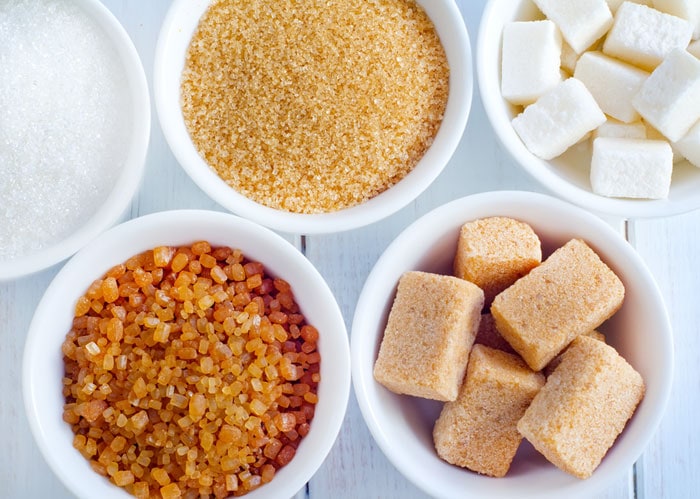
Nutritive Sweeteners provide calories to the diet at about four calories per gram, similar to the normal carbohydrate we obtain from food. Examples of nutritive sweeteners include white and brown table sugars and molasses, honey and syrups. In addition, sugar alcohols derived from fruits or commercially made are also nutritive sweeteners. The most common sugar alcohols include: sorbitol, mannitol, xylitol and maltitol. All nutritive sweeteners provide calories to the body and may affect your blood glucose.
Nonnutritive sweeteners are the true “artificial” sweeteners. They do not provide calories and will not influence blood glucose. These include: saccharin, neotame, aspartame, sucralose, stevia and acesulfame potassium (Ace-K)
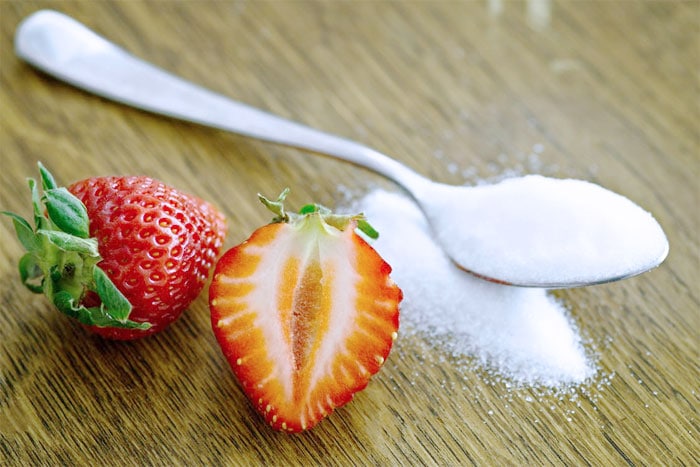
The Center of Science in the Public Interest published several reports on safety of artificial sweeteners. Here is the summary:
|
Sweetener
|
Brand
|
Comments
|
| Sucralose | Splenda | Safe |
| Neotame | n/a | Safe |
| Sugar Alcohols | sorbitol, xylitol, mannitol, maltitol etc | Safe but may cause bloating, gas or diarrhea in large quantity |
| Tagatose | Naturlose | Safe but may cause flatulence, bloating, nausea or diarrhea in large quantity |
| Aspartame | Equal, NutraSweet, NatraTaste | Probably Safe. Some people reported headaches. People with PKU should avoid aspartame |
| Acesulfame Potassium | Sweet One, Sunnett, Acesulfame Potassium (Ace-K) | Inadequately tested |
| Stevia | Truvia, Sweet Leaf, Honey Leaf | Inadequately tested. FDA granted stevia a GRAS status in Decembr 2008. But CSPI cited some studies reporting potential DNA damage. Stevia is not approved in Canada. |
| Saccharin | Sweet ‘N Low | Unsafe. Studies have shown that it may cause cancer in rats. Saccharin has been banned in Canada for 30 years. |
Moderation is always the key. Moderate use of sweeteners can be part of the enjoyment of eating in a healthy diet. Always read the labels of the packaged food to find out which sweetener is present. Remember: A diet drink doesn’t mean we can drink numerous bottles a day. If you are trying to lose weight, it is best to follow healthy eating guidelines and be physically active.
Alumni: University of British Columbia – Gloria Tsang is the author of 6 books and the founder of HealthCastle.com, the largest online nutrition network run by dietitians. Her work has appeared in major national publications, and she is a regularly featured nutrition expert for media outlets across the country. The Huffington Post named her one of its Top 20 Nutrition Experts on Twitter. Gloria’s articles have appeared on various media such as Reuters, NBC & ABC affiliates, The Chicago Sun-Times, Reader’s Digest Canada, iVillage and USA Today.
artificial sweeteners, food safety, sugar, sweeteners
Like our content? Download our free shopping guide and the first chapter of the GoUndiet Book Now!


HealthCastle Nutrition Inc. · © Copyright 1997-2026 · All rights reserved