
Written By: Gloria Tsang, RD
Title: Founding Dietitian
Alumni: University of British Columbia
Last Updated on:

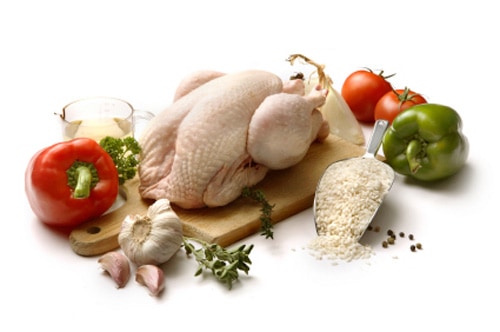
Buying chicken these days is not like it used to be. With labels like “100 percent natural,” “organic,” “grain-fed,” and “free range,” many consumers don’t really know what they’re buying.
Table of Contents
According to the U.S. Department of Agriculture (USDA) – “100 percent natural” means the poultry doesn’t contain artificial ingredients like preservatives. But experts warn – there are no guarantees.
“100 percent natural – remember – no inspections are done. So we don’t know if those claims are really true,” says Shannon Wallace, R.D., registered dietitian with Baylor University Medical Center at Dallas.
Chicken labeled as “organic” must meet much stricter standards. Inspections are conducted and organic chicken cannot contain artificial ingredients, hormones or antibiotics. But are those really harmful to consumers?
“The USDA does not make any claims that organically produced food is any safer or more nutritious than conventionally produced food,” adds Wallace.
This is supposed to mean the chicken was not fed animal by-products, but just like “100 percent natural” and “free range,” there is no outside monitoring for this claim.
And probably the most confusing label of them all – “free range.” Chicken labeled as “free range is supposed to be leaner, but again, experts warn the claim can be deceiving.
“Free range does not always mean that the animal has been in an open area its whole life. It may only mean they were in a restricted area and let out into that open area one time during their life,” says Wallace
So what should you shop for in chicken?
“If you would like to have a healthy diet – trimming the fat or buying leaner cuts of meat is always important. And the research is still out regarding these other issues of hormones and antibiotics,” says Wallace.
Alumni: University of British Columbia – Gloria Tsang is the author of 6 books and the founder of HealthCastle.com, the largest online nutrition network run by dietitians. Her work has appeared in major national publications, and she is a regularly featured nutrition expert for media outlets across the country. The Huffington Post named her one of its Top 20 Nutrition Experts on Twitter. Gloria’s articles have appeared on various media such as Reuters, NBC & ABC affiliates, The Chicago Sun-Times, Reader’s Digest Canada, iVillage and USA Today.
Like our content? Download our free shopping guide and the first chapter of the GoUndiet Book Now!


HealthCastle Nutrition Inc. · © Copyright 1997-2026 · All rights reserved