
Written By: Gloria Tsang, RD
Title: Founding Dietitian
Alumni: University of British Columbia
Last Updated on:

Tired of eating potatoes and pasta every night? Try Asian noodles. By taking advantage of various textures of Asian noodles, my grandma, a vegetarian, made the most delicious vegetarian dishes. Her dishes were truly my fondest childhood memories!
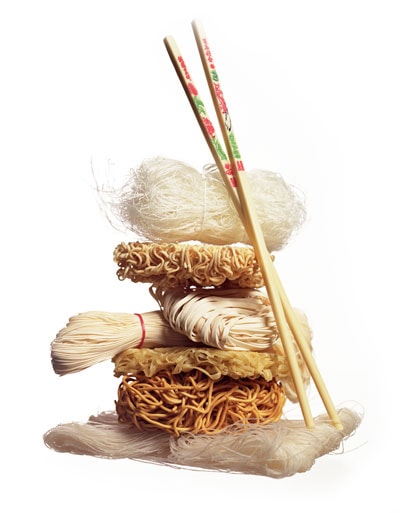
Table of Contents
Flour: Wheat
Gluten-free: No
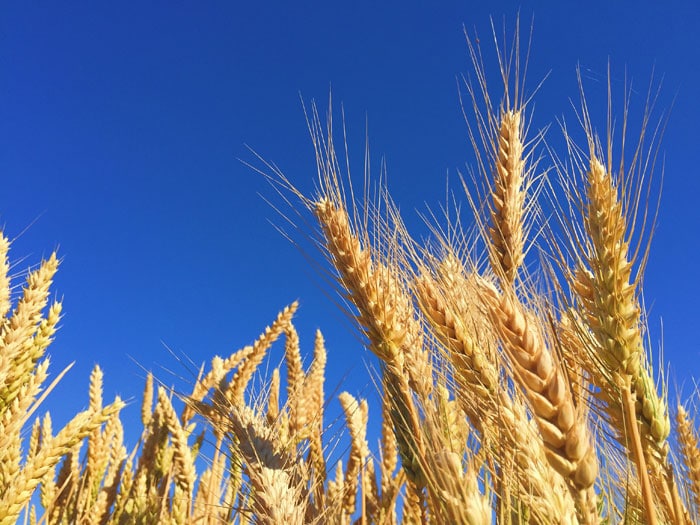
These noodles are made with wheat flour, while chow-mein and wonton noodles have added eggs.
Where: Udon is found in the freezer section, while the Chinese noodles are found in the fridge section
Flour: Buckwheat
Gluten-free: No
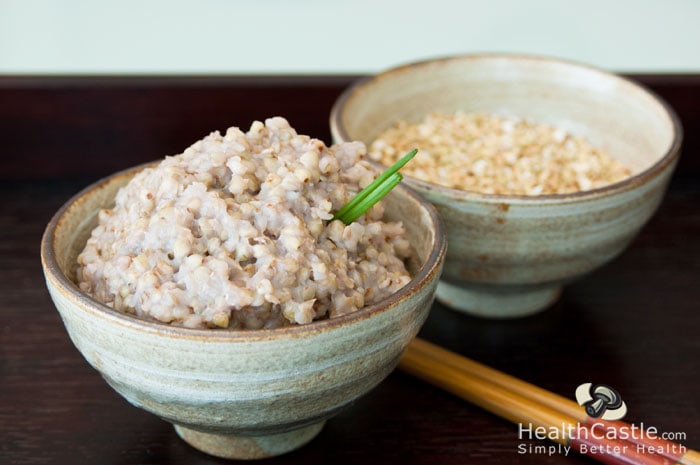
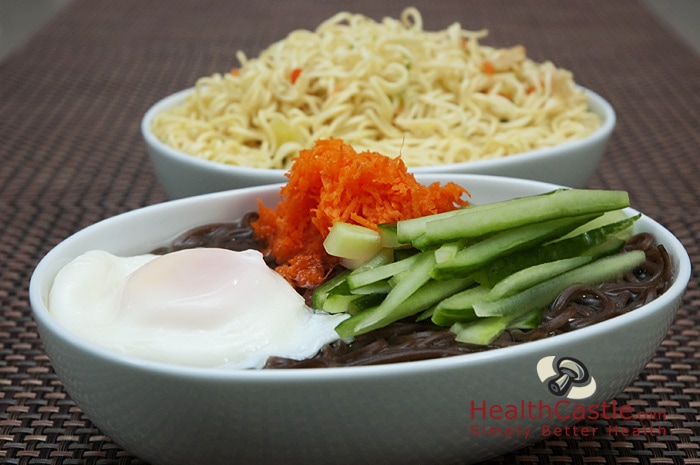
Japanese soba is usually brownish gray in color, but sometimes you can find a green version. Buckwheat flour is rich in protein, making soba an excellent choice among vegetarians.
Where: Dried
Flour: Rice
Gluten-free: Yes, but make sure it’s made in a wheat-free facility
Chinese rice noodles and rice vermicelli are the most known rice noodles out there. However, other ethnicities such as Vietnamese and Indonesian also have their own versions. Rice noodles come in various forms: fresh, dried, thick, thin, sticks, bundles and even in macaroni shape. They taste great in soups or cold salads. Unfortunately, rice noodles are mostly starch and low in other nutrients.
Where: Vermicelli is packed dried; rice noodles are available in fresh in fridge or dried
Flour: Mung Bean
Gluten-free: Yes, but make sure it’s made in a wheat-free facility
Thai call them glass noodles whereas Chinese call them bean threads or bean vermicelli. They are also known as cellophane noodles and usually turn translucent after being cooked. Similarly to rice noodles, mung been noodles are also mostly starch.
Where: Dried
Flour: Potato Family
Gluten-free: Yes, but make sure it’s made in a wheat-free facility
Japanese harusame is made with potato flour; the greyish Korean dang myun is made with sweet potato flour. The popular Tofu Shirataki is made with yam flour and tofu.
Where: Fridge or dried
Stay away from Instant Noodles: These noodles are usually individually packed and come bundled with a flavor sachet. They are often pre-fried so they are high in fat; only a handful of brands are air-dried. The MSG sachet is loaded with artificial colorings and flavorings.
Alumni: University of British Columbia – Gloria Tsang is the author of 6 books and the founder of HealthCastle.com, the largest online nutrition network run by dietitians. Her work has appeared in major national publications, and she is a regularly featured nutrition expert for media outlets across the country. The Huffington Post named her one of its Top 20 Nutrition Experts on Twitter. Gloria’s articles have appeared on various media such as Reuters, NBC & ABC affiliates, The Chicago Sun-Times, Reader’s Digest Canada, iVillage and USA Today.
buckwheat, chow mein, noodles, rice noodle, soba, thai glass noodles, tofu shirataki, udon, vermicelli
Like our content? Download our free shopping guide and the first chapter of the GoUndiet Book Now!


HealthCastle Nutrition Inc. · © Copyright 1997-2026 · All rights reserved