
Written By: Sofia Layarda, MPH
Title: Master of Public Health
Alumni: University of California, Berkeley
Last Updated on:

Our pick for this month is the crunchy, hearty nut known for its many health-protective effects on the cardiovascular system: the walnut. Walnuts have a long history as food, having been around from as far back as 7,000 B.C., and were popular as food for the royals in ancient Persia. Nowadays, the US is a major producer of walnuts, with the bulk of the nuts coming from the state of California. The shelled nut has two off-white wavy lobes attached to each other, covered in a thin brown skin. These lobes are protected by a tough, brown, round or oblong-shaped shell.
Table of Contents
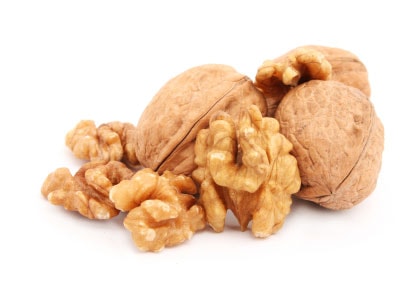
Walnuts are an excellent source of the polyunsaturated omega-3 fatty acids, specifically alpha-linolenic acid (ALA), as well as monounsaturated fats. These fats both have protective effects on the heart and the rest of the cardiovascular system, with various studies showing that they help with prevention of hypertension, improvement in blood cholesterol profile, and reduction in molecules that cause atherosclerosis (formation of plaque inside arteries that leads to heart disease). Walnuts also contain an antioxidant called ellagic acid, which appears to benefit the immune system and have anticancer properties.
When buying walnuts, if you have access to unshelled ones, choose ones that are heavy for their size without any stains or cracks on the shell. The majority of stores also sell shelled nuts in the bulk section; if you choose to buy the shelled variety, make sure the store has a good turnover rate, as the high fat content means the shelled walnuts can go rancid easily (sniff them to be sure). Avoid shelled nuts that seem soft or rubbery. Once shelled, the nuts should be stored in an airtight container in the fridge or freezer.
Alumni: University of California, Berkeley – Sofia believes in bringing back fun and pleasure into everyday eating. She loves cooking, and is constantly experimenting with ingredients, creating recipes and trying them out on family and friends. Her latest interest lies in finding realistic and practical ways of environmentally-friendly food/eating habits.
grocery aisle, healthy every month, nuts, omega-3, walnuts
Like our content? Download our free shopping guide and the first chapter of the GoUndiet Book Now!


HealthCastle Nutrition Inc. · © Copyright 1997-2026 · All rights reserved