
Written By: Gloria Tsang, RD
Title: Founding Dietitian
Alumni: University of British Columbia
Last Updated on:

HFCS, the high-fructose corn syrup used as a sweetener in many kinds of soda, has been blamed by some as a main culprit in the ongoing obesity epidemic, because there were claims that it can increase appetite. But a new study casts some doubt on the link between HFCS and appetite boost.
Table of Contents
Researchers from the University of Toronto investigated the effects of a sugar solution, table sugar, HFCS, and other combinations of glucose and fructose in a small study. They found that HFCS did not differ from regular table sugar in its effects on appetite and food intake later in the day. The results of this study were published in the American Journal of Clinical Nutrition in November 2007.
HFCS is made by modifying corn starch so that it contains a higher level of fructose than it would naturally. As a result, high fructose corn syrup tastes sweeter than refined sugar. Table sugar contains 50/50 fructose/glucose. HFCS used in soft drinks contains 55 percent fructose. HFCS is mostly found in soft drinks, fruit drinks, jams and jellies, as well as baked goods.
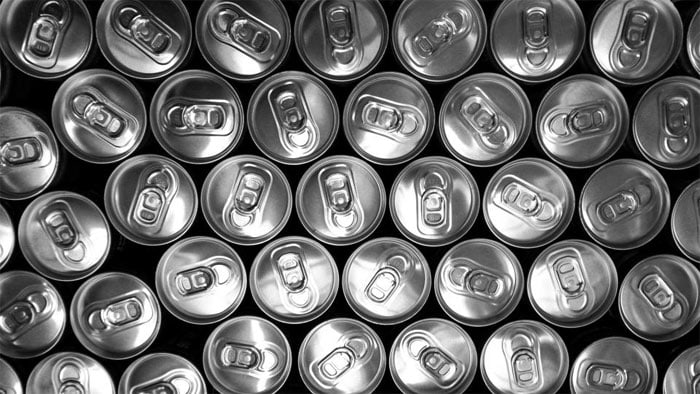
HFCS should not take all the blame for the obesity trend, especially when excess caloric intake is the real culprit here. Dietary guidelines recommend that we limit added sugars to about 8 teaspoons a day for an average 2,000-calorie diet. One bottle of soda alone contains 240 calories with more than 15 teaspoons of added sugars. Replacing these 15 teaspoons of HFCS with table sugar or honey is no better; it still contains 240 calories! Excess calories cause weight gain, regardless of whether they come from HFCS, honey, or fat.
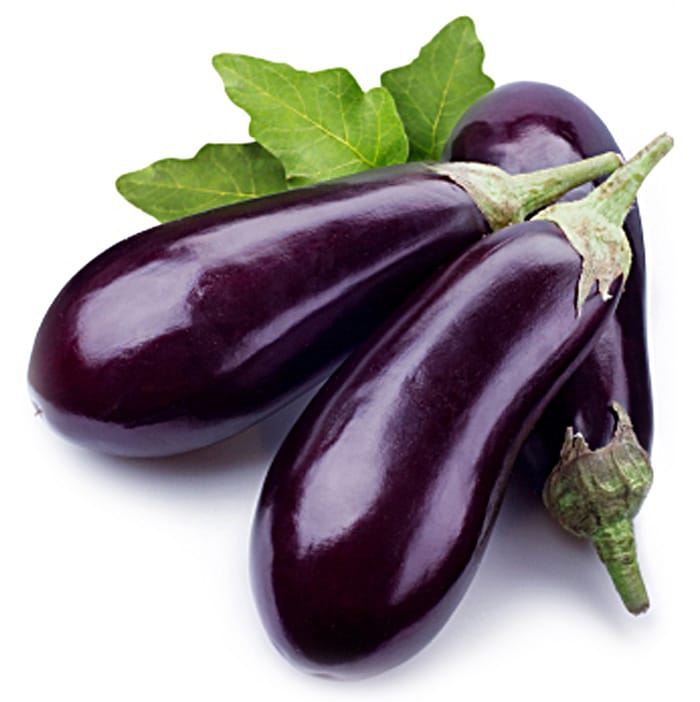
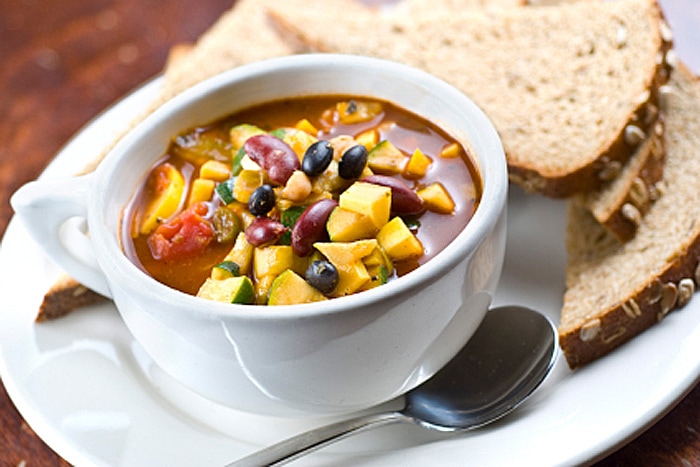
HFCS is mostly found in foods with empty calories. Empty-calories foods generally refer to foods with high calories but low nutritional values. The best strategy is to replace these foods with nutrient-dense foods. For instance,
Alumni: University of British Columbia – Gloria Tsang is the author of 6 books and the founder of HealthCastle.com, the largest online nutrition network run by dietitians. Her work has appeared in major national publications, and she is a regularly featured nutrition expert for media outlets across the country. The Huffington Post named her one of its Top 20 Nutrition Experts on Twitter. Gloria’s articles have appeared on various media such as Reuters, NBC & ABC affiliates, The Chicago Sun-Times, Reader’s Digest Canada, iVillage and USA Today.
hfcs, high fructose corn syrup, lose that weight, obesity, pop

Like our content? Download our free shopping guide and the first chapter of the GoUndiet Book Now!


HealthCastle Nutrition Inc. · © Copyright 1997-2026 · All rights reserved