
Written By: Gloria Tsang, RD
Title: Founding Dietitian
Alumni: University of British Columbia
Last Updated on:

Table of Contents
It has been hypothesized that by lowering an amino acid called homocysteine in the blood, the incidences of heart diseases may be lowered. Since folic acid can regulate homocysteine, it was thought that it can lower the rates of stroke and heart attack. A few trials have been launched to investigate the effectiveness of folic acid supplements in preventing stroke and other heart diseases; among those, two were published in the New England Journal of Medicine in March 2006.
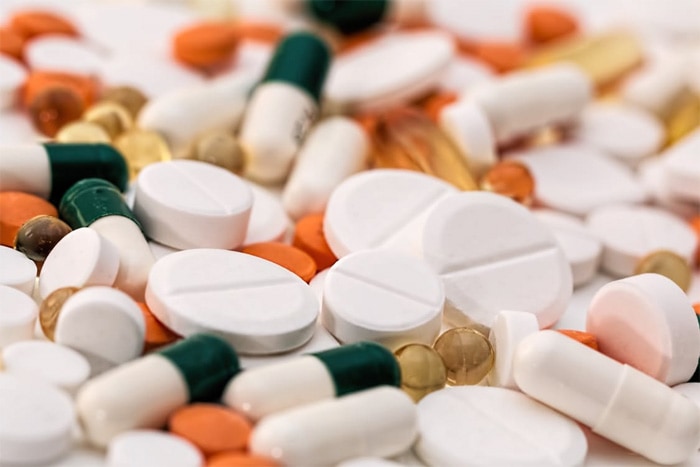
In the first Heart Outcomes Prevention Evaluation 2 (HOPE 2) trial, researchers at McMaster University in Ontario followed more than 5,500 participants for 5 years1. They were either given a placebo or a combination of 2.5 mg folic acid / 50 mg B6 / 1 mg B12 supplements. Results showed that a combination of these supplements did not lower incidences of heart attack or strokes.
In the second Norwegian Vitamin Trial (NORVIT), researchers from the University of Tromso evaluated more than 3,700 patients who recently suffered from a heart attack2. Results also showed that the folic acid/ B6 combination did not lower the risk of recurrent heart attack or strokes despite lowered levels of serum homocysteine. Shockingly, researchers discovered a higher risk of a stroke, heart attack or death among patients taking the supplement combo.
The above two studies were not the first to reveal that low levels of homocysteine cannot prevent heart diseases. Back in 2004, the Vitamin Intervention for Stroke Prevention Trial (VISP) also found no benefits of folic acid supplements in preventing a second stroke or other heart diseases. What we now know is that high levels of homocysteine were observed in people who suffered from a heart attack; however lowering levels of homocysteine did not seem to have a preventative measure for future onset of heart attack or strokes.
Bottom Line: Despite present research findings that there were no benefits of folic acid supplementation in heart disease prevention, there is no cause for concern in taking multivitamins with folic acid or eating folate-fortified foods either. Folic acid is particularly important during periods of rapid cell division and growth such as during infancy and throughout pregnancy. Some studies suggested that higher intakes of folic acid may decrease colon cancer risk. People of all ages ,including children, need folic acid to make normal red blood cells and prevent anemia. The recommended level for folate is 0.4 mg for adults (0.6 mg for pregnant women).
The American Heart Association (AHA) does not recommend using folic acid and B vitamin supplements to ward off heart disease. For a sensible heart smart diet, include at least 5 servings of fruits and vegetables and 3 servings of whole grains a day. Choose leaner meats and low-fat dairy. Limit the intake of both saturated fats and trans fat – instead choose foods high in omega 3 fatty acids such as fish and nuts. In addition, choose wholesome fresh foods instead of packaged foods, which are often high in calories and sodium.
HealthCastle has strict sourcing guidelines. We reference peer-reviewed studies, scientific journals and associations. We only use quality, credible sources to ensure content accuracy and integrity.
Alumni: University of British Columbia – Gloria Tsang is the author of 6 books and the founder of HealthCastle.com, the largest online nutrition network run by dietitians. Her work has appeared in major national publications, and she is a regularly featured nutrition expert for media outlets across the country. The Huffington Post named her one of its Top 20 Nutrition Experts on Twitter. Gloria’s articles have appeared on various media such as Reuters, NBC & ABC affiliates, The Chicago Sun-Times, Reader’s Digest Canada, iVillage and USA Today.
folic acid, heart disease, homocysteine, stroke
Like our content? Download our free shopping guide and the first chapter of the GoUndiet Book Now!


HealthCastle Nutrition Inc. · © Copyright 1997-2026 · All rights reserved