
Written By: Gloria Tsang, RD
Title: Founding Dietitian
Alumni: University of British Columbia
Last Updated on:

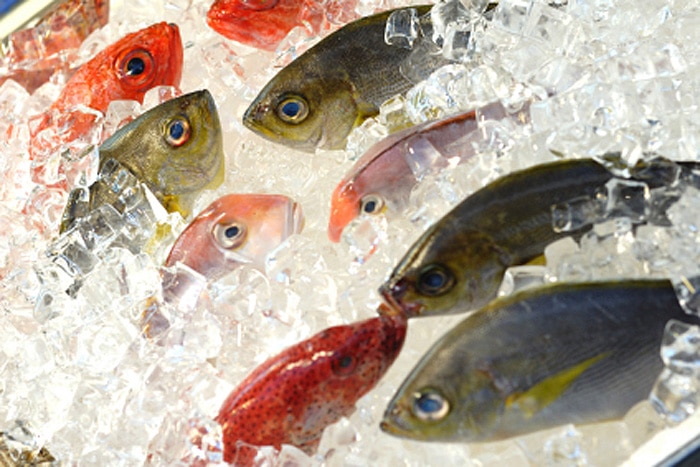
Fish and seafood have long been a center of controversy, and these days many of us are left wondering – are fish still safe to eat?
Table of Contents
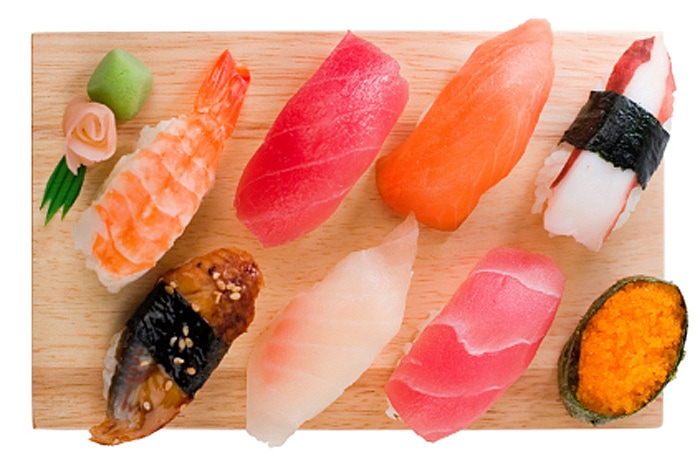
Fish and shellfish contain high-quality protein and other essential nutrients, are low in saturated fat, and contain omega-3 fatty acids. A well-balanced diet that includes a variety of fish and shellfish can contribute to heart health and children’s proper growth and development.
However, nearly all fish and shellfish contain traces of mercury. For most people, the risk from mercury ingested by eating fish and shellfish is not a health concern. Yet, some fish and shellfish contain higher levels of mercury that may harm an unborn baby or young child’s developing nervous system.
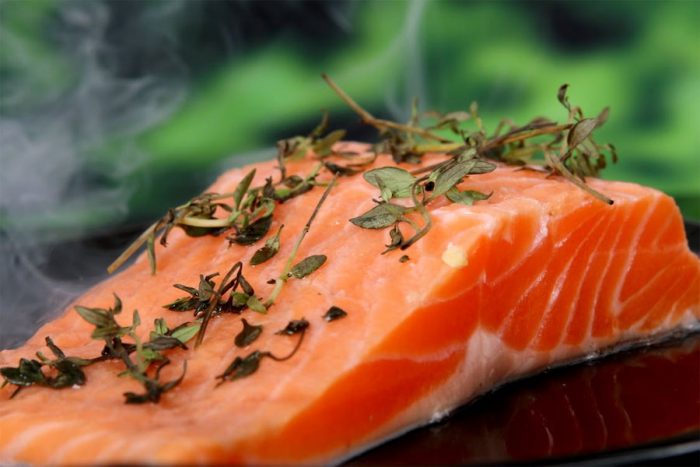
In addition, fish also contain polychlorinated biphenyls (PCBs), toxic industrial compounds that were banned in 1979, but that persist in the environment. Fish absorb PCBs from contaminated sediments and from their food. You can limit exposure to PCBs simply by trimming, skinning and cooking your catch to reduce fatty tissue. But, unlike mercury, which you can eliminate from your body over time, PCBs are stored in body fat for many years.
In March 2004, the Food and Drug Administration and Environmental Protection Agency revised their advisories on mercury in fish. Here is a summary:
Key Message: Fish offers benefits in heart health. Indeed, the American Heart Association recommends fish and fish products for prevention of heart disease. So don’t give up fish completely, but do choose wisely for an average of 2 meals a week.
Alumni: University of British Columbia – Gloria Tsang is the author of 6 books and the founder of HealthCastle.com, the largest online nutrition network run by dietitians. Her work has appeared in major national publications, and she is a regularly featured nutrition expert for media outlets across the country. The Huffington Post named her one of its Top 20 Nutrition Experts on Twitter. Gloria’s articles have appeared on various media such as Reuters, NBC & ABC affiliates, The Chicago Sun-Times, Reader’s Digest Canada, iVillage and USA Today.
fish, heart disease, heart smart, mercury, omega-3, pcb, polychlorinated biphenyls, salmon, seafood
Like our content? Download our free shopping guide and the first chapter of the GoUndiet Book Now!


HealthCastle Nutrition Inc. · © Copyright 1997-2026 · All rights reserved