
Written By: Gloria Tsang, RD
Title: Founding Dietitian
Alumni: University of British Columbia
Last Updated on:

You may have read the term “empty calories,” or heard it used by nutritionists or even talk show hosts on TV. But what exactly are empty calories? Why are they so bad for you, and how can you avoid them?
Keep reading to discover where these sneaky calories may be hiding in your diet!
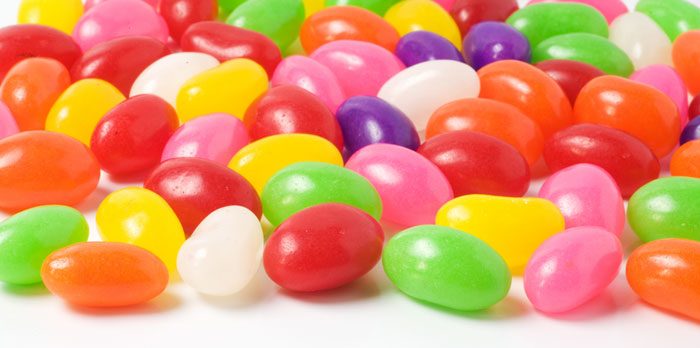
Table of Contents
Contains Calories: Carbohydrates, Protein and Fat (collectively known as Macro-nutrients)
No Calories: All vitamins & minerals including antioxidants (collectively known as Micro-nutrients) as well as fiber
“Empty Calories” describes foods high in calories but low in nutritional values (also known as junk food!), lacking the health-promoting micro-nutrients listed above.
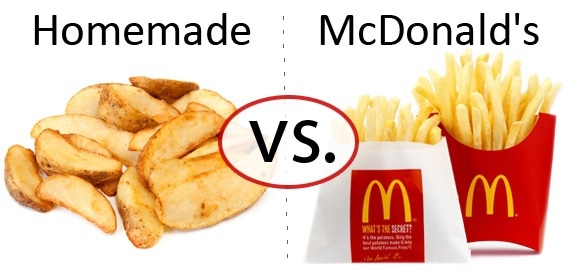
A large order of fries from a fast food chain can contain up to 570 kcal with a whopping 30 g of total fat and 8 g of trans fat! Tons of calories from fat and very few micro-nutrients.
A can of pop contains about 130 kcal as well as additives and colorings. Again, lots of calories from sugar but no micro-nutrients.
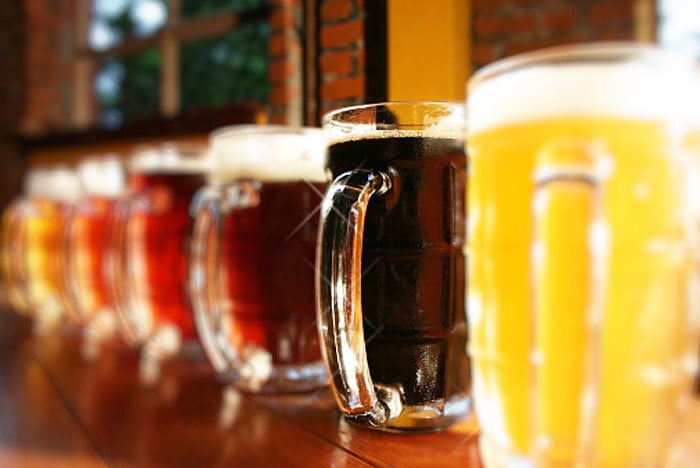
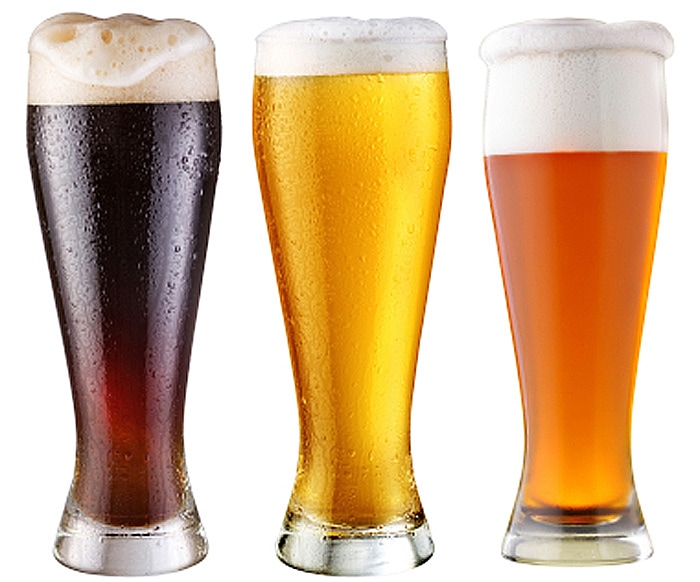
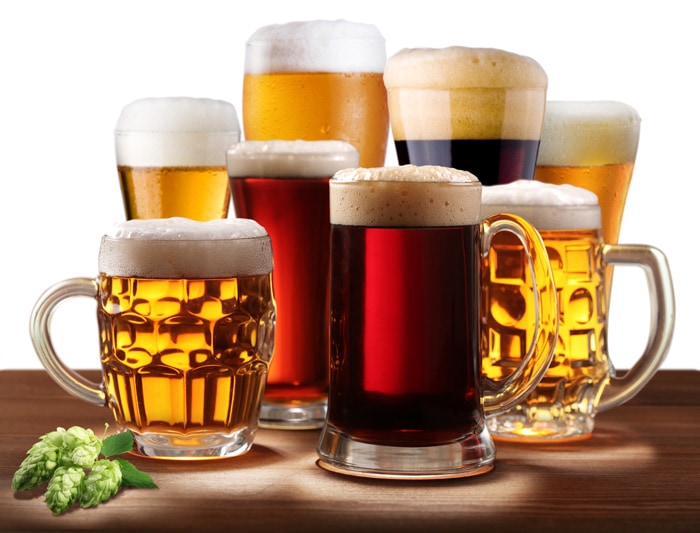
A can of beer contains about 150 kcal from sugar and not much of anything else. In addition, calories from alcohol tend to be stored as fat in the abdomen (leading to a “beer belly”).
Refined grains do provide some B vitamins, but that’s it.
Alumni: University of British Columbia – Gloria Tsang is the author of 6 books and the founder of HealthCastle.com, the largest online nutrition network run by dietitians. Her work has appeared in major national publications, and she is a regularly featured nutrition expert for media outlets across the country. The Huffington Post named her one of its Top 20 Nutrition Experts on Twitter. Gloria’s articles have appeared on various media such as Reuters, NBC & ABC affiliates, The Chicago Sun-Times, Reader’s Digest Canada, iVillage and USA Today.
alcohol, artificial sweeteners, beer, calories, candy, deep fried, diet guidelines, empty calories, sweeteners, wine
Like our content? Download our free shopping guide and the first chapter of the GoUndiet Book Now!

HealthCastle Nutrition Inc. · © Copyright 1997-2026 · All rights reserved