
Nutrition Basics 101Healthy Eating GuidelinesSuper FoodsHealth and NutritionWomen's NutritionWeightloss DietNutrition Newsletter

Diarrhea and Diet - How to cope with Diarrhea

Many things can cause diarrhea including diet, medications or other medical conditions such as IBS and IBD. It is important to watch what you eat if you have diarrhea since diarrhea can cause dehydration. Take special care to:

  1. Drink at least 8 to 10 glasses of fluid everyday. This will replace lost fluids. Water, juices (except prune juice), broth or consomme, ginger ale, Gatorade jello and weak tea are all good sources of fluid.
  2. Watch how long you have diarrhea. If it lasts more than 2 days, contact your doctor. Unfortunately, these are a lot we do not know about the effects that foods have on diarrhea. The treatment of diarrhea is different for each individual. Don't try these all at once, rather try a couple suggestions at a time to find those that work best for you. This will prevent you from avoiding some foods unnecessarily.
    • Limit foods that contain caffeine such as coffee, strong tea and cola beverages
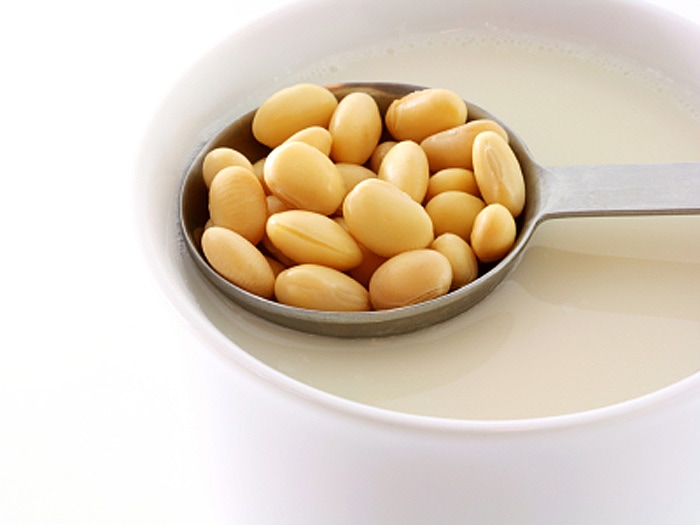
    • In some cases milk and milk products such as milk, cheese, pudding and ice cream can made diarrhea worse. Reduce your use of these foods to see if your diarrhea gets better. If you think these may be a problem, talk to your dietitian or doctor for more information. Lactose-free milk or soy beverages may be better tolerated. Read Lactose Intolerance
    • Limit your use of high fat foods such as fried foods, fatty meats, high fat desserts, excess butter, margarine, higher fat milk products (homo milk, cream) and greasy snack foods
    • Try to reduce the amount of fiber in your diet. Fibre is found mostly in fruits, vegetables, whole grain breads and cereals, nuts and seeds. Try a low fiber diet with Low fiber foods
    • Some people find that removing the skins, seeds and membranes from fruits and vegetables makes these foods easier to digest. Canned or well-cooked fruits and vegetables may also be easier to digest.
    • Try eating several small meals throughout the day
    • Limit your used of dried fruits, berries, rhubarb, legumes (lentils, kidney beans, lima beans), peas, corn, broccoli, spinach and nuts. They may make diarrhea worse for some people
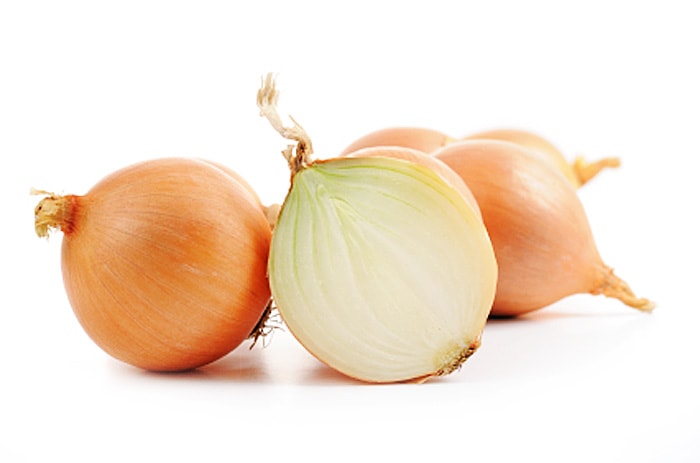
    • If you have gas or cramping you may find it helpful to avoid foods that can increase gas production. These include dried peas and beans, broccoli, cabbage, cauliflower, onions, brussels sprouts, carbonated beverages, beer and chewing gum
    • When diarrhea is no longer a problem, gradually resume a normal diet

diarrhea dietFurther Reading:

Page copy protected against web site content infringement by Copyscape


| Print Page | | nutrition tipsRSS |

Want to discuss nutrition topics? Use our Discussion Forum


Advertisement

FAQ Editor's Picks

How much of a role does diet play in preventing cancer? A medical doctor, also a cancer survivor, tells us how to fight cancer with food.

Food & Nutrition

Diet Guidelines
Nutrition Basics
Grocery Aisle
Healthy Dine-out
Super Foods
Nutrition Books
Nutrition Articles

Nutrition & Health

Heart Smart Diet
Cancer Diet
Gout Diet
Acid Reflux
High Cholesterol
Diabetes Diet
Diverticulitis Diet
Lactose Intolerance
IBD Diet
Gluten-Free Diet
ADHD Diet

Women's Nutrition

Menopause Diet
Osteoporosis
Anemia
Breast Cancer Diet
Pregnancy Nutrition

Weight Loss Nutrition

Am I Overweight?
Free Diet Profile
BMI Calculator
Waist-to-Hip Ratio


HONcode accreditation seal.
Categories:
Nutrition 101 | Healthy Eating | Super Foods | Podcast | Women's Nutrition | Food & Nutrition | Nutrition & Health | Weight & Diet
Member Area:
Login | SignUp | Free Nutrition Newsletter | Forum | Search | healthcastle nutritionRSS
Media:
Press Room | Gloria Tsang, RD | In the News | News Release | White Paper | Logo | Recommended By | Event Photos
Corporate:

About Us | Advertise with Us | Legal | Syndicate | Privacy Policy | Site Map | Contact Us

Information on this site is provided for informational purposes and is not meant to substitute for the advice provided by your own physician or dietitian. Information and statements have not been evaluated by the Food and Drug Administration and are not intended to diagnose, treat, cure, or prevent any disease.
Copyright© 1997-2008 Healthcastle Nutrition Inc. All rights reserved.