
Written By: Sejal Dave, RD
Title: Registered Dietitian
Alumni: University of Florida
Last Updated on:

Vitamin supplementation is really popular these days, leaving many people with diabetes unsure of whether or not they should add vitamins or dietary supplements to their meals.
Neither the American Diabetes Association nor the American Dietetic Association advocate the use of vitamin supplements if a person with diabetes has a healthy, varied diet. Both organizations support using food as a source of vitamins instead of adding supplements (i.e. pills) to your diet. They especially warn against using mega-doses of vitamins or supplements, which could potentially cause adverse side effects.
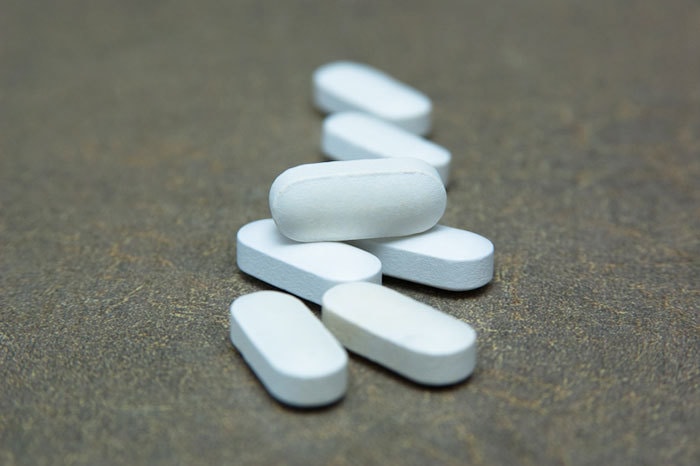
Table of Contents
In a recent study published by Diabetes and Diabetes Prevention, people with high blood levels of Vitamin D were associated with having a lower risk of developing type 2 diabetes. Fortified milk and cereal, eggs, cheese, and fatty fishes like salmon, mackerel, tuna, cod, herring, and sardines are all good food sources of Vitamin D. Alternately, your body can make enough Vitamin D if you get 10-15 minutes of sun exposure 2-3 times a week.
Another supplement of interest to people with diabetes is chromium . Chromium is a mineral that’s required in small amounts for the metabolism of glucose in the body – in other words, it helps the body break down blood sugar.
Studies have found that if a person has chromium deficiency, chromium supplementation can help to control blood glucose levels. However, there are no current recommendations on chromium supplementation for people with diabetes. Foods high in chromium include beef, liver, eggs, chicken, apples and spinach.
Vitamin supplementation can be beneficial for the elderly, strict vegetarians, people on low-calorie diets, and those that are malnourished. A general multivitamin can often meet the nutrition requirements for those who are unable to obtain adequate vitamins and minerals from their diet.
It can be possible to have a diet filled with an abundance of vitamins, minerals, and antioxidants that come from natural and fortified food sources. Vitamins from foods are often better absorbed by the body than vitamins in pill form.
Although it may be tempting to take a supplement, it isn’t necessary for everyone. If you feel that you may benefit from a vitamin or dietary supplement, check with your healthcare provider to determine what would be best for you. In the meantime, continue to choose healthy foods that are not only full of vitamins, but taste good and help keep your immune system healthy. Check food labels and ingredient lists in order to make wise purchases to get the most out of each bite!
Alumni: University of Florida – Sejal is a registered dietitian, a certified diabetes educator and she holds a masters degree in nutrition and health. Sejal was the project coordinator for the Veteran’s Administrations (VA) national weight loss program and previously worked for the VA hospital in Tampa, FL as a Spinal Cord Injury dietitian.
Sejal has had numerous clinical and community education experiences, including pediatric and intensive care nutrition support. She has also had the opportunity to teach nutrition courses at the community college level to students interested in pursuing health professions. One of her favorite areas of education is diabetes management.
blood sugar, diabetes, diabetes diet, multivitamins, sugar, vitamins
Like our content? Download our free shopping guide and the first chapter of the GoUndiet Book Now!


HealthCastle Nutrition Inc. · © Copyright 1997-2026 · All rights reserved