

Written By: Sejal Dave, RD
Title: Registered Dietitian
Alumni: University of Florida
Last Updated on:

Japanese cuisine is extremely popular in the United States. Most people have tried sushi – and love it – or have had an entertaining meal at a hibachi grill. Dining at a Japanese restaurant can definitely be part of a healthy diabetes meal plan. Use the following tips and suggestions to make healthy, diabetes-friendly choices while enjoying dining out at Japanese restaurants.
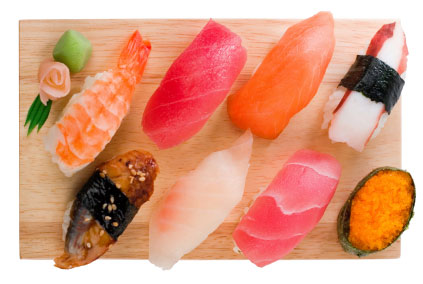
Table of Contents
Rice, noodles, beans, vegetables, meat and, of course, seafood are the basic staples of Japanese food – so there is lots to choose from. Familiarize yourself with the way entrees are prepared and the style used to prepare your meal. For example, appetizers or entrees that are tempura-based have been deep fried in a light batter. Udon noodles are thicker than soba noodles. Knowing these differences will allow you to determine which foods will fit best into your meal plan.
When eating at a hibachi restaurant ask for either rice or noodles – not both – so you can limit your carb intake, and limit the dipping sauces, which can contain carbs from sugar. To enjoy a lower fat meal ask for extra veggies with less protein, or save part of your meal for the next day.
Many Japanese menus feature bento box meals. These are single-portioned meals that consist of rice, meat or fish, and pickled or cooked vegetables served in a sectioned box. This is a great option for people with diabetes who do not want to over-eat, but still want to enjoy a variety of foods. In Japan, bento boxes are meals-to-go, either packed at home to bring to work or school or purchased at grab-to-go cafes or restaurants. These creative bento boxes have become a popular way for people to prepare healthy portion-controlled meals here in North America.
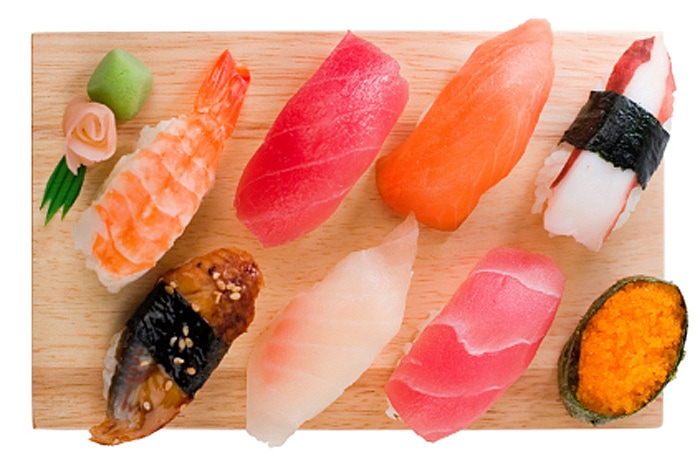
It can be hard to know how many carbs are in a typical sushi roll (6 pieces). You have rice, nori (or seaweed), vinegar, and the fish or vegetables in the middle. The rice used to make sushi is short grain, “sticky,” and usually contains more net carbs than regular rice. The nori seaweed is also quite low in carb; one big square sheet of seaweed provides only 5 kcal with a net carb of 0. The net carb of an average sushi roll ranges from 20 to 30 grams – equivalent to about 2 carb choices if you are carb-counting. However, due tot the deep-fried batter, sushi rolls with tempura are often higher in carb, about 60 g. Sushi with extra mayo or sauces are also higher in carb.
(estimated per entire roll, not each piece)
1. Avocado Roll
2. California Roll
3. Kappa Maki (cucumber roll)
4. Spicy Tuna Roll
5. Shrimp Tempura Roll
6. Salmon & Avocado Roll
7. Tuna (Maguro) Roll
8. Eel (Unagi) and avocado Roll
Note: Estimates based on data collected from various restaurants and supermarkets that make their information publicly available. From website www.sushifaq.com
Note: Fiber is calculated per roll based on information from the USDA Nutritional Database
Aside from sushi, there are plenty of healthy options available on a typical Japanese restaurant menu. For people with diabetes, portion control is always key – as is knowing how your meal is prepared to avoid hidden carbs from sauces and batter. Here is a list of foods to help guide your dining experience and keep you on track to good diabetes management.
Alumni: University of Florida – Sejal is a registered dietitian, a certified diabetes educator and she holds a masters degree in nutrition and health. Sejal was the project coordinator for the Veteran’s Administrations (VA) national weight loss program and previously worked for the VA hospital in Tampa, FL as a Spinal Cord Injury dietitian.
Sejal has had numerous clinical and community education experiences, including pediatric and intensive care nutrition support. She has also had the opportunity to teach nutrition courses at the community college level to students interested in pursuing health professions. One of her favorite areas of education is diabetes management.
carbohydrate, diabetes, healthy dine-out, japanese, japanese foods, net carb, sushi

Like our content? Download our free shopping guide and the first chapter of the GoUndiet Book Now!


HealthCastle Nutrition Inc. · © Copyright 1997-2026 · All rights reserved







Great info i always order rice paper rolls with cabbage and chicken has some sauce in it