
Written By: Sejal Dave, RD
Title: Registered Dietitian
Alumni: University of Florida
Last Updated on:

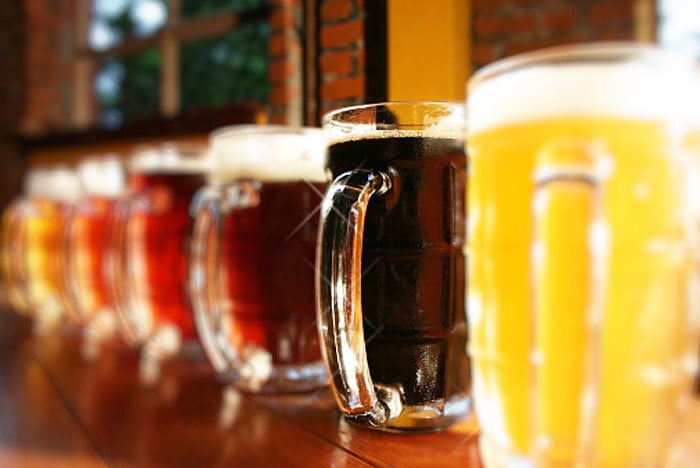
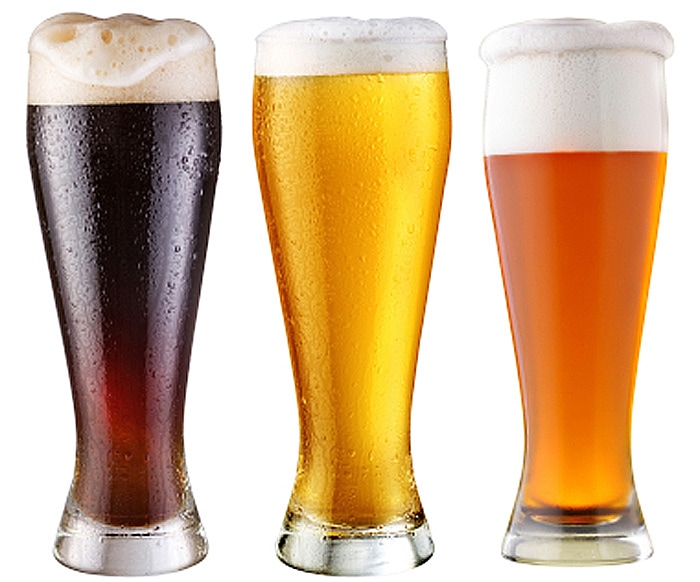
Alcohol plays a big role in our society. It’s a part of our celebrations, our religious practices, and even our daily meals. For people with diabetes, the decision to drink alcohol can often be a difficult one. The American Diabetes Association (ADA) states that if you choose to drink alcohol you should limit your intake. The ADA considers a moderate intake to be one drink or less for women and two drinks or less for men, per day.
Table of Contents
1 drink =
The actual amount of alcohol consumed is particularly important. It’s been shown that a moderate intake of alcohol by people with diabetes can prevent heart disease. On the other hand, excess alcohol intake may lead to increased health problems including cancer.

Each serving of alcoholic drink contains approximately 15 grams of alcohol. Cocktails or mixed drinks contain both alcohol and carbohydrates, which means more calories. Most cocktails contain 1.5 ounces of hard liquor along with 8 ounces of juice or soda as a mixer. The average rum and coke has about 240 calories, a vodka cranberry has around 250, a banana daiquiri 230 and a Pina Colada packs in almost 300 calories per drink!
You can avoid extra calories by choosing diet sodas or diet juices as mixers. Another option is wine spritzers – 4 ounces of wine mixed with seltzer water or diet club soda. Weighing in at 100 calories, they are low-calorie alternatives to heavier cocktails.
The calories and carb content from alcohol should be counted in your daily meal plan, and not substituted for your usual food intake.
Hypoglycemia, or low blood sugar, is one of the major concerns for people with diabetes who drink alcohol. Never drink alcohol on an empty stomach. Alcohol can make your blood glucose drop, so drink only at meal times or have a snack along with your drink.
If you take insulin or glucose-lowering medications, your risk for hypoglycemia may be even higher after drinking alcohol. Discuss this with your doctor if you are starting a new diabetes medication.
Drinking alcohol is a personal decision. It has been shown to have health benefits if you drink in moderation. However, with diabetes you need to consider your current health status and the pros and cons of having alcohol as part of your diet. Can you afford the extra calories and carbs in your meal plan? Does alcohol interfere with your medications? Do you recognize the symptoms of hypoglycemia? Make a choice based on what best suits your lifestyle and well-being.
Alumni: University of Florida – Sejal is a registered dietitian, a certified diabetes educator and she holds a masters degree in nutrition and health. Sejal was the project coordinator for the Veteran’s Administrations (VA) national weight loss program and previously worked for the VA hospital in Tampa, FL as a Spinal Cord Injury dietitian.
Sejal has had numerous clinical and community education experiences, including pediatric and intensive care nutrition support. She has also had the opportunity to teach nutrition courses at the community college level to students interested in pursuing health professions. One of her favorite areas of education is diabetes management.
alcohol, blood sugar, diabetes diet

Like our content? Download our free shopping guide and the first chapter of the GoUndiet Book Now!


HealthCastle Nutrition Inc. · © Copyright 1997-2026 · All rights reserved