
Written By: Gloria Tsang, RD
Title: Founding Dietitian
Alumni: University of British Columbia
Last Updated on:

Table of Contents
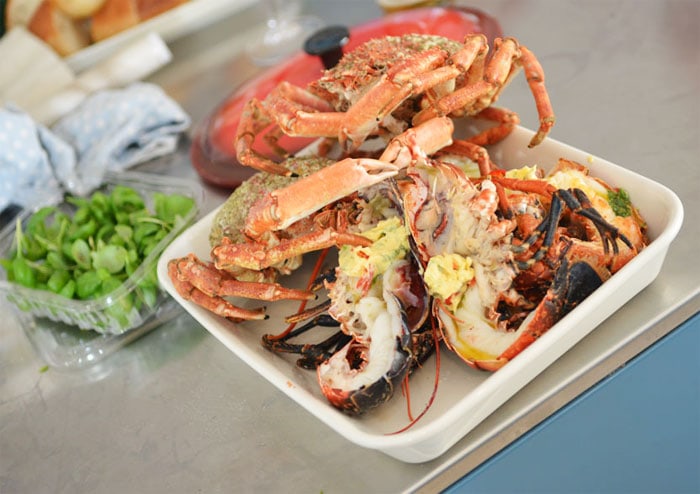
Many think that cholesterol in seafood will increase the cholesterol in blood. Indeed, cholesterol found in seafood or other meats has little effect on blood cholesterol in MOST people. Saturated fats and trans fattty acids are the most important factors that raise blood cholesterol, not dietary cholesterol! Saturated fats are found in some pre-packaged food or other processed foods containing shortening or partially hydrogenated vegetable oil. Trans fatty acids, on the other hand, are also found in packaged snack foods, deep-fried foods or firm margarine containing hydrogenated oil.
Our body does need cholesterol to make bile salts, hormones and vitamin D. It is mainly produced by our liver. Cholesterol will build up on the artery walls when the level of cholesterol in the blood is too high. There are 2 main types of blood cholesterol: LDL (the “Bad” cholesterol) and HDL (the “Good” cholesterol).
High amounts of the bad LDL will deposit cholesterol on the artery walls forming plaques. More and more plaques will narrow the arteries lumen and may eventually block blood flow. Therefore LDL is considered the “Bad” cholesterol. Monounsaturated fats and polyunsaturated fats found in nuts and fish for instance, can lower the LDL level. In addition, soluble fiber found in fruits, oats, barley, and legumes can also lower LDL.
The good HDL, on the other hand, takes excess cholesterol away and carries it back to the liver to be excreted. It can also remove some of the cholesterol already attached to the artery walls. Therefore HDL is considered the “Good” cholesterol as high levels of HDL in the blood can decrease the risk of heart disease. Physical activity can also raise HDL level.
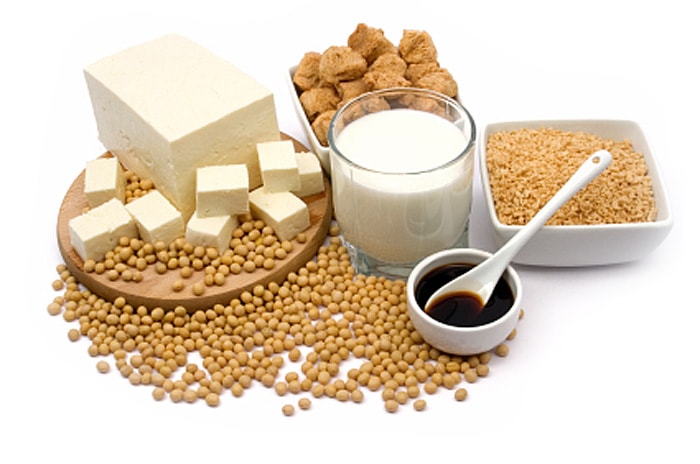
(HealthCastle.com) Researchers from the University of Toronto studied the effectiveness of a cholesterol-lowering diet. About 60 people were instructed to eat a healthy plant-based diet high in cholesterol-lowering foods such as soy protein, fiber, almonds and spreads with plant sterols. The results showed that the participants who followed the diet for one year had lowered their cholesterol levels by 20 percent. The results were published in the American Journal of Clinical Nutrition in March 2006.
Numerous studies showed the beneficial effects of individual diets high in soy, fiber (especially soluble fiber found in oats, barley and psyllium), nuts, plant sterols, and fruits & vegetables. This University of Toronto study seems to be the first to investigate the benefits a diet high in a combination of these cholesterol-lowering foods. It is most exciting to note a diet that can lower cholesterol by 20 percent is comparable with the reduction achieved by 29 subjects who took a statin (a cholesterol-lowering drug) for one month in a separate study.
To have a complete picture of your blood cholesterol levels, your doctor likely will order a complete blood cholesterol profile test:
If you are 20 or older, you should check your cholesterol level at least once every 5 years as a regular check-up. It’s desirable to have your cholesterol numbers within the desirable range. Levels in between are considered borderline high.
Total Cholesterol – < 200 mg/dL (5.2 mmol/L)
LDL Cholesterol – < 100 mg/dL (2.6 mmol/L)
HDL Cholesterol – > 40 mg/dL (1.0 mmol/L)
Triglycerides – < 150 mg/dL (1.7 mmol/L)
Total Cholesterol – > 240 mg/dL (6.2 mmol/L)
LDL Cholesterol – > 160 mg/dL (4.1 mmol/L)
HDL Cholesterol – < 40 mg/dL (1.0 mmol/L)
Triglycerides – > 200 mg/dL (2.3 mmol/L)
Source: National Cholesterol Education Program NCEP
Message: To treat high blood cholesterol, the National Cholesterol Education Program NCEP now recommends the TLC diet. In any case, your doctor may prescribe medications immediately if the LDL cholesterol level is over 160 mg/dL or 4.1 mmol/L.
There are many factors affecting your blood cholesterol level, including your family history, age, gender, eating habits, body weight and shape, level of physical activity as well as concurrent diabetes conditions. Consult with your Registered Dietitian for a more detailed eating plan.
Alumni: University of British Columbia – Gloria Tsang is the author of 6 books and the founder of HealthCastle.com, the largest online nutrition network run by dietitians. Her work has appeared in major national publications, and she is a regularly featured nutrition expert for media outlets across the country. The Huffington Post named her one of its Top 20 Nutrition Experts on Twitter. Gloria’s articles have appeared on various media such as Reuters, NBC & ABC affiliates, The Chicago Sun-Times, Reader’s Digest Canada, iVillage and USA Today.
Like our content? Download our free shopping guide and the first chapter of the GoUndiet Book Now!


HealthCastle Nutrition Inc. · © Copyright 1997-2026 · All rights reserved