
Written By: Gloria Tsang, RD
Title: Founding Dietitian
Alumni: University of British Columbia
Last Updated on:

A long-awaited scientific report on cancer prevention stated plain and simple that the more pounds you’re carrying, the greater your risk of developing one or more of 17 cancers. After analyzing 7,000 scientific studies, the World Cancer Research Fund and the American Institute for Cancer Research made 8 diet recommendations you can use to lower the odds of developing cancer.
Table of Contents
This new recommendation is mostly consistent with the 2005 Dietary Guidelines for Americans. Linking red meat and processed meat to colorectal cancer, a new recommendation made by WCRF is to limit red meat to 18 oz. a week and avoid processed meat altogether.
Overall, the WCRF report concludes that obesity increases the risk of cancer of the esophagus, colorectum, pancreas, breast, endometrium, and kidney.
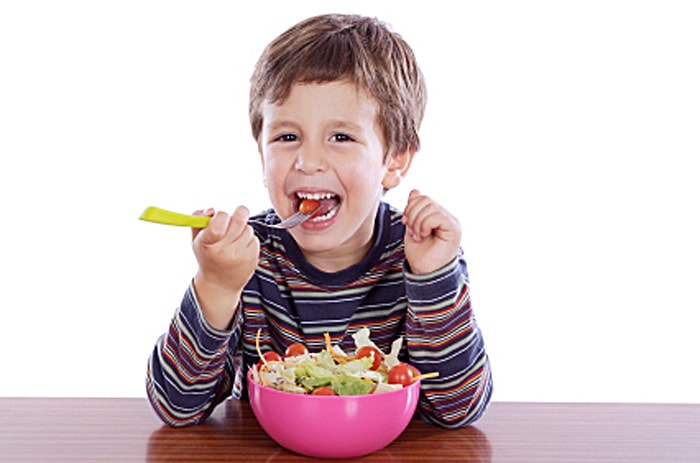
The main focus of the above diet recommendations should be getting 5 servings of fruits and vegetables and other plant-based foods such as whole grains and legumes. These plant-based foods will replace energy-dense foods such as sugary drinks, high-fat foods and snacks, and processed meats.
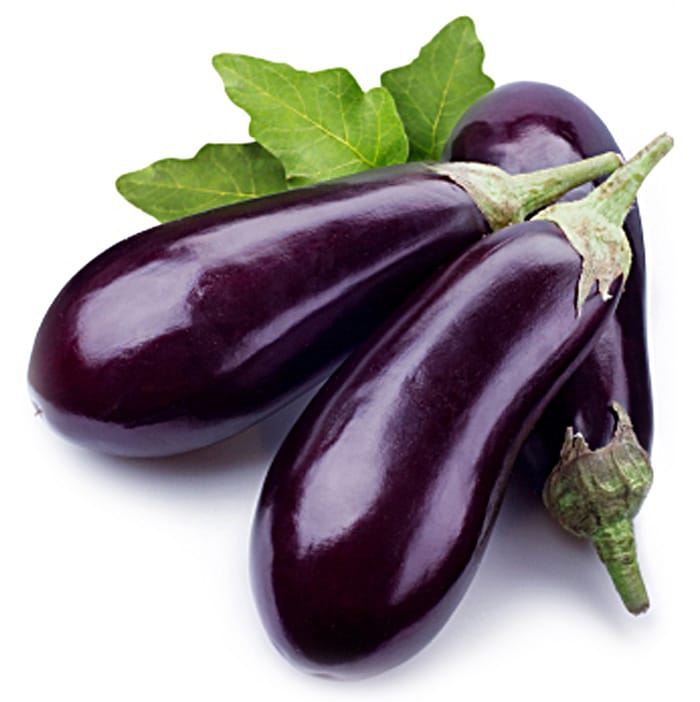
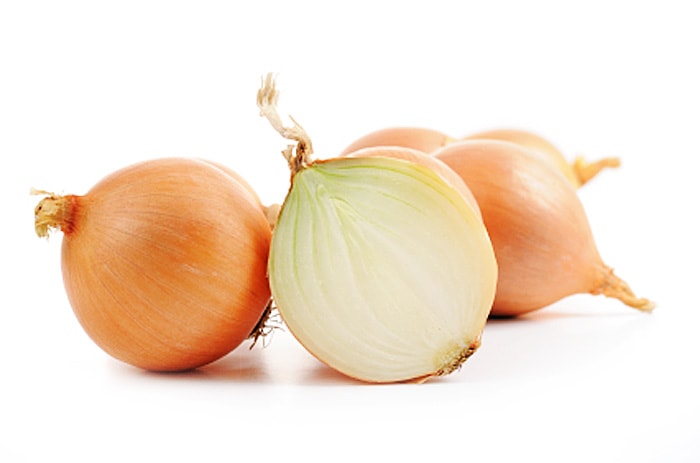
The fact is, many types of vegetables can prevent cancer and provide the protection against cancer. Research has identified many active ingredients found in vegetables and their roles in protecting different types of cancer.
Not only do vegetables prevents cancer, they are also an essential member in a heart-healthy diet. Include at least 5 servings of vegetables and fruits daily and enjoy the benefits offered by them.
Alumni: University of British Columbia – Gloria Tsang is the author of 6 books and the founder of HealthCastle.com, the largest online nutrition network run by dietitians. Her work has appeared in major national publications, and she is a regularly featured nutrition expert for media outlets across the country. The Huffington Post named her one of its Top 20 Nutrition Experts on Twitter. Gloria’s articles have appeared on various media such as Reuters, NBC & ABC affiliates, The Chicago Sun-Times, Reader’s Digest Canada, iVillage and USA Today.
Like our content? Download our free shopping guide and the first chapter of the GoUndiet Book Now!

HealthCastle Nutrition Inc. · © Copyright 1997-2026 · All rights reserved