

Written By: Gloria Tsang, RD
Title: Founding Dietitian
Alumni: University of British Columbia
Last Updated on:

If your family is dealing with ADHD, you are probably looking for all the information you can get on how to help your child focus, control their impulses, and succeed in school. Does any of the common food elimination practices work?

Table of Contents
Remove candies? Many parents swear that sugar cause hyperactivity. Unfortunately, pediatric researchers at the Northwestern University Medical School in Chicago, who just published a review study in the Pediatrics journal in January 2012, didn’t find a link between sugar intake and attention & cognitive functions. Guess we can relax a bit around Easter and Halloween!
Go organic: Starting when they’re infants, Dr. David Perlmutter, author of Raise a Smarter Child by Kindergarten, says it’s best to feed your children organic whole foods. You can buy prepared organic baby food or, if that’s too expensive or not easily accessible where you live, make your own. Organic foods “bypass the pesticides, additives, and toxins that impair concentration and increase hyperactivity in some children,” Dr. Perlmutter writes in his book.
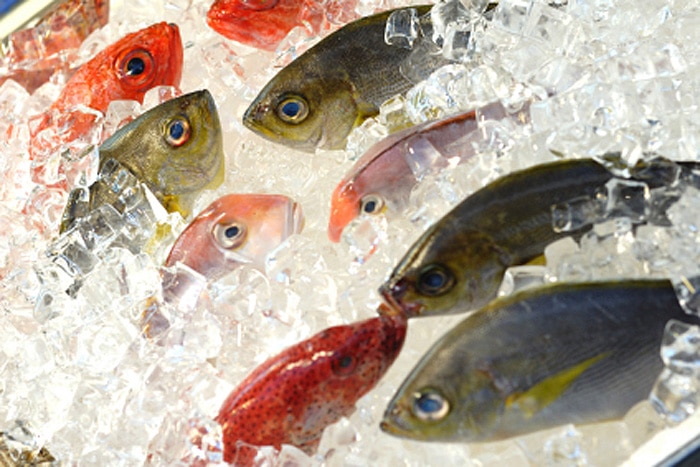
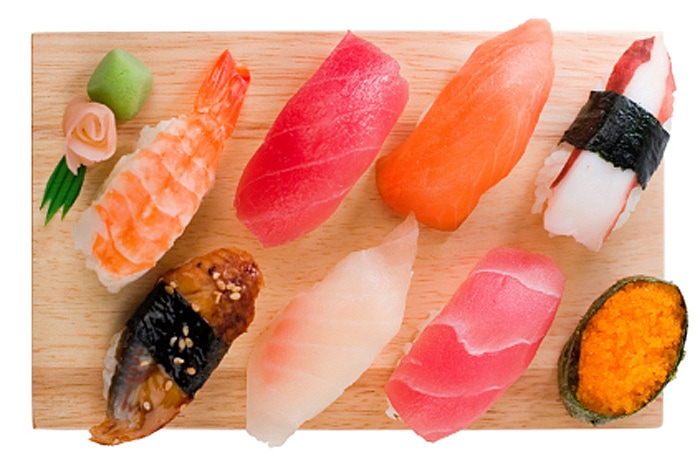
Avoid high-mercury fish: Nearly all fish and shellfish contain traces of mercury, which Dr. Perlmutter believes can zap kids’ ability to think and concentrate. He recommends kids with ADHD to avoid high mercury fish. That includes shark, swordfish, king mackerel, and tilefish.
Cut fast food and processed foods? An absolute Yes! The 2012 review paper highlighted an Australian study, in which researchers found that a “Western” diet with high intake of fast food, red meats and processed foods was associated with higher ADHD rates.
Test for gluten sensitivity: Your family doctor can check for gluten sensitivity with a blood test. If your child is gluten-sensitive, a gluten-free diet and removing gluten from your child’s common foods may produce dramatic and almost immediate results.
Add DHA supplements: Dr. Perlmutter explains that ADHD is much more common in boys with low levels of DHA, an omega-3 essential fatty acid that plays a key role in brain function. In his practice, Dr. Perlmutter recommends DHA supplements derived from marine algae. For kids with ADHD, he recommends 400 mg per day.
Add multi-vitamins: According to Dr. Perlmutter, all children should take a multivitamin, but he says it is especially important for kids with ADHD. He recommends an Intracellular Vitamin Analysis – a test your family doctor can perform – to get a better idea of exactly which vitamins and minerals your child might need to supplement.
Consider other brain-specific nutrients: Dr. Perlmutter uses five supplements (besides DHA) as the foundation of his ADHD diet: N-acetyl-cysteine, Phosphatidylserine, Alpha lipoic acid, Coenzyme Q-10, and Ginkgo Biloba. He says all five have been clinically proven to protect the brain and enhance brain function, and he has had great success with them in his own practice.
Only you, your family, and your doctor can determine the best way to deal with your children who have ADHD. Do not start the above strategies unless you’ve consulted with your pediatrician. However, we now know that a proper diet with the right food and supplements in addition to medications may be an effective way to reduce the symptoms of ADHD.
Tell Us: What Diet Remedies Work For You?
Alumni: University of British Columbia – Gloria Tsang is the author of 6 books and the founder of HealthCastle.com, the largest online nutrition network run by dietitians. Her work has appeared in major national publications, and she is a regularly featured nutrition expert for media outlets across the country. The Huffington Post named her one of its Top 20 Nutrition Experts on Twitter. Gloria’s articles have appeared on various media such as Reuters, NBC & ABC affiliates, The Chicago Sun-Times, Reader’s Digest Canada, iVillage and USA Today.
adhd, dha, fish, gluten free, kid's nutrition, mercury
Like our content? Download our free shopping guide and the first chapter of the GoUndiet Book Now!


HealthCastle Nutrition Inc. · © Copyright 1997-2026 · All rights reserved






Has anyone found a supplement of all or a portion of Dr. Perlmutter’s suggested stack for toddlers or children?